
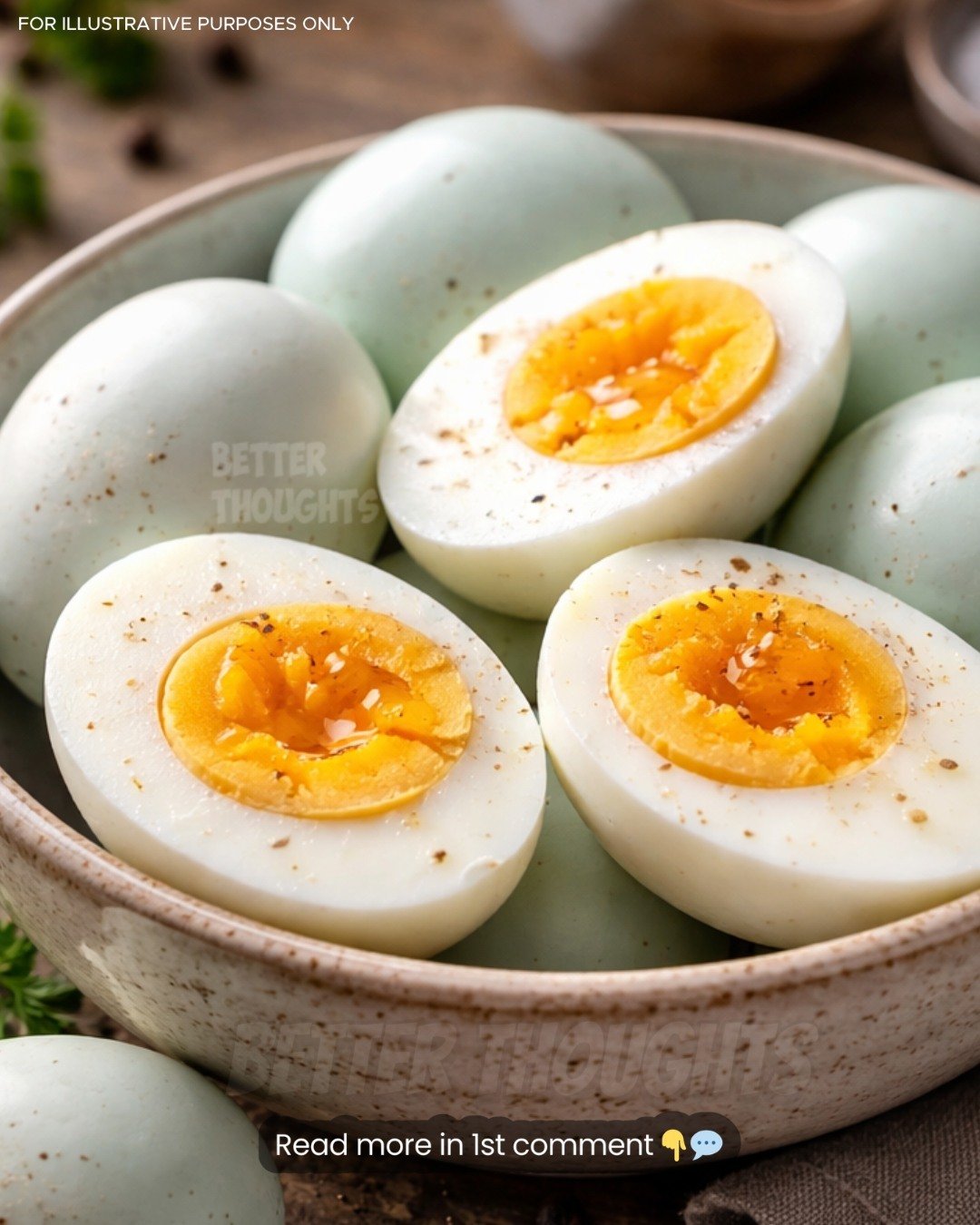
Doctors reveal that eating duck eggs regularly
The Power of Duck Eggs: Why Nutritionists Are Taking Notice
If you’ve only ever reached for a carton of chicken eggs, you might be missing out on a nutritional powerhouse. While they look similar, duck eggs offer a richer, more intense flavor and a nutrient profile that punches well above its weight class.
Why Duck Eggs Are Gaining Traction
Duck eggs are larger than chicken eggs, with a larger yolk-to-white ratio. This “extra yolk” is where the magic happens. Because the yolk contains most of the vitamins and minerals, a single duck egg can provide a significantly higher percentage of your daily requirements.
Key Nutritional Benefits
- Vitamin B12 Leader: A single duck egg can provide nearly 63% of your daily value for Vitamin B12, which is essential for nerve function and DNA synthesis.
- Superior Protein: They contain slightly more protein than chicken eggs (roughly 9g vs 6g). More importantly, duck egg protein is often more easily digested by those who have mild sensitivities to chicken egg proteins.
- Rich in Selenium: These eggs are an excellent source of selenium, a powerful antioxidant that supports thyroid health and immune function.
- Omega-3 Fatty Acids: Because ducks are typically raised on pasture, their eggs often contain higher levels of heart-healthy Omega-3s.
How to Cook the Perfect Duck Egg
Duck eggs have a thicker shell and a richer, creamier texture. Their whites contain more protein (albumin), which makes them a favorite for bakers because they create a loftier, more stable structure in cakes and breads.
Boiling Guide for Duck Eggs
Because duck eggs are larger and have thicker shells, they require more time than chicken eggs.
1
Room Temp Start
Avoid cracking
Place eggs in a saucepan and cover with cold water. Bringing them to temperature slowly prevents the thick shells from cracking.
2
The Boil
Medium-high heat
Bring the water to a rolling boil. As soon as it boils, remove from heat and cover the pan.
3
The Timer
Crucial window
Let them sit in the hot water.
- 7 minutes: Jammy, soft yolk (like the image).
- 10 minutes: Fully set, creamy yolk.
- 12 minutes: Firm hard-boiled.
4
Ice Bath
Stop the carryover
Immediately move eggs to a bowl of ice water for at least 5 minutes. This makes peeling easier and prevents the “green ring” around the yolk.
A Note on Cholesterol
It is worth noting that a duck egg contains about 619mg of cholesterol, which is more than double that of a large chicken egg. While most modern research suggests that dietary cholesterol has a smaller impact on blood cholesterol than previously thought, those with specific cardiovascular concerns should enjoy them in moderation.
Baker’s Tip: Use duck eggs in your next batch of brownies or sponge cake. The higher fat and protein content results in a richer flavor and a much fluffier crumb that stays moist longer.