
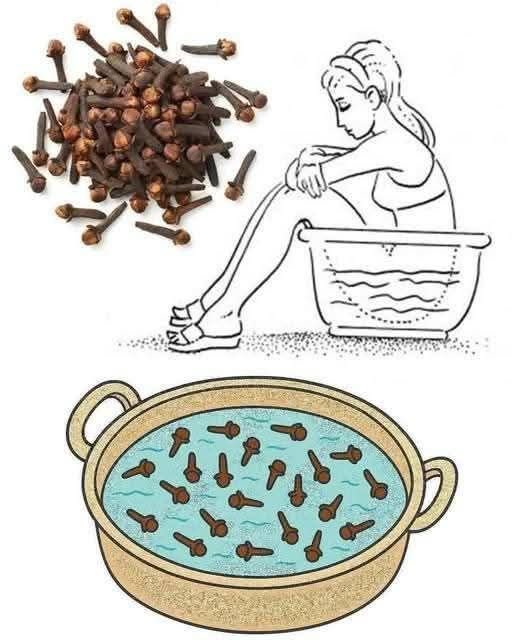
Every woman should know that clove has th
Why Cloves?
Cloves are more than just a spice; they are one of nature’s most concentrated sources of antioxidants.
- Antiseptic Properties: Eugenol helps inhibit the growth of certain bacteria and fungi.
- Anti-inflammatory: It can help reduce swelling and discomfort in localized tissues.
- Circulation: The warmth of a sitz bath combined with the spice can stimulate blood flow to the pelvic region, which some find helpful for menstrual cramp relief.
The Clove Soak Recipe
This “recipe” is typically used for general hygiene or to soothe minor external irritation.
1
Boil the infusion
10 minutes
Add 1 to 2 tablespoons of whole cloves to 1 liter (about 4 cups) of water. Bring to a boil, then reduce heat and simmer for 10 minutes until the water turns a deep amber color.
2
Strain and cool
Crucial safety step
Strain out the solid cloves. Let the liquid cool until it is lukewarm. Never use hot water on sensitive skin; it should feel comfortably warm to the touch (approx. 98°F – 100°F).
3
Prepare the basin
Sitz bath setup
Pour the infusion into a clean sitz bath basin or a shallow tub. Add enough plain warm water to ensure you can sit comfortably with the pelvic area submerged.
4
The Soak
15-20 minutes
Sit in the basin for 15 to 20 minutes. Pat the area completely dry with a clean, soft towel afterward—moisture is the enemy of bacterial balance.
⚠️ Important Safety Guidelines
Before you try this, please keep these three “Golden Rules” in mind:
- External Use Only: This is for soaking, not douching. The vagina is self-cleaning; internal rinsing with clove water can disrupt your natural pH and cause a yeast infection or bacterial vaginosis.
- The Burn Factor: Cloves are “hot” spices. If the concentration is too high, it can cause a stinging sensation or chemical burn on delicate tissue. If you feel any tingling or burning, rinse with plain water immediately.
- Not a Cure: This soak can help with minor irritation or postpartum soreness, but it cannot cure an STI or a deep-seated infection. If you have unusual discharge, a strong odor, or persistent pain, see a healthcare provider.