Doctors reveal that eating figs causes… See more…
The Fig Factor: Why Doctors Are Recommending This Ancient Superfood
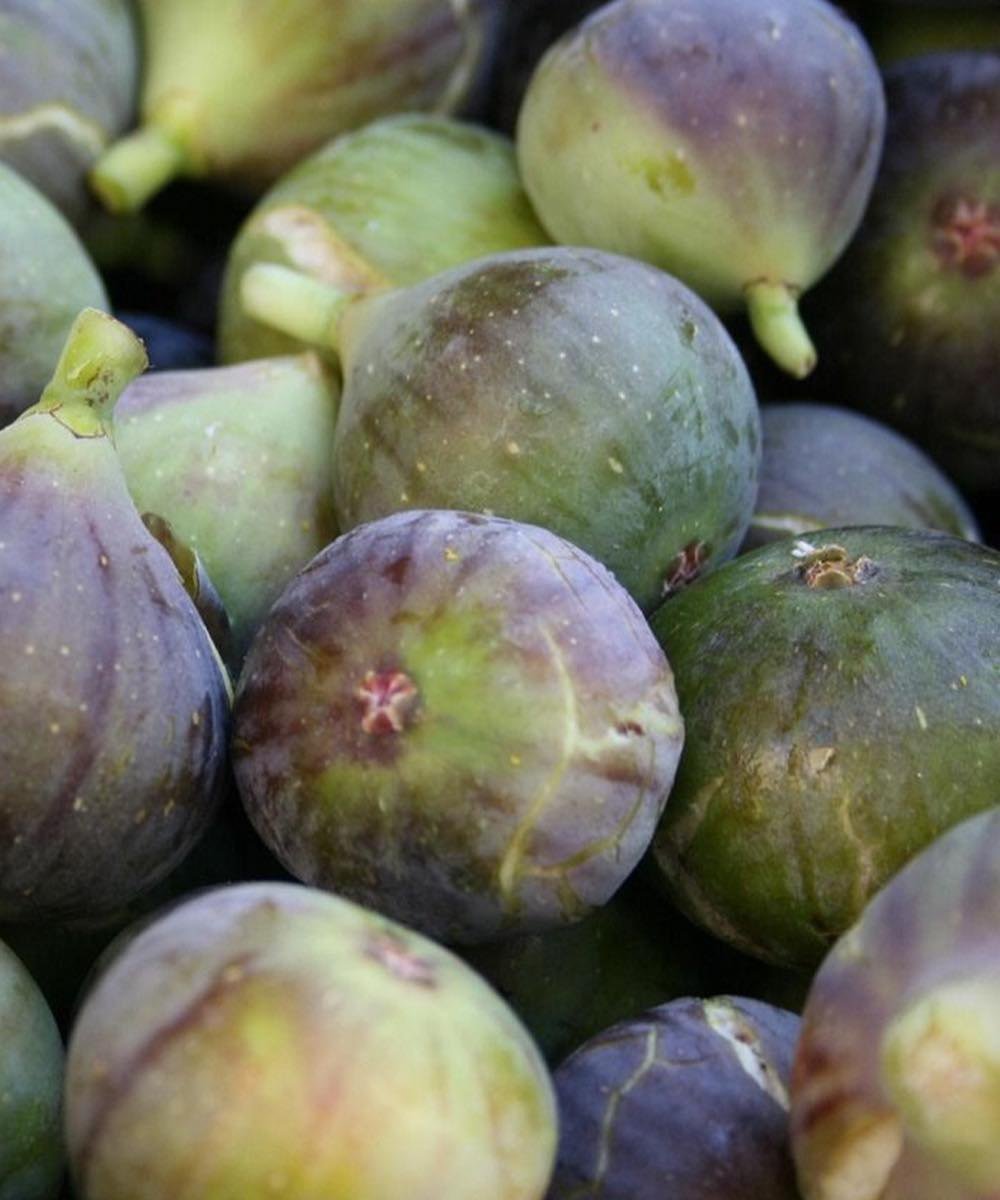
For centuries, figs have been a staple of Mediterranean diets, but modern nutrition science is finally catching up to what ancient healers already knew. Beyond their honey-like sweetness, figs are packed with a specific profile of fiber and minerals that can transform metabolic and digestive health.
What Happens to Your Body When You Eat Figs?
When you incorporate fresh or dried figs into your daily routine, several physiological shifts occur:
- Blood Pressure Stabilization: Figs are an excellent source of potassium, which helps counteract the narrowing of blood vessels caused by high-sodium diets.
- Natural Glycemic Control: Despite their sweetness, figs are high in chlorogenic acid. Studies suggest this compound can help lower blood sugar levels and manage glucose metabolism in Type 2 diabetics.
- Bone Density Support: Figs are one of the few plant sources rich in both calcium and magnesium, the dual pillars of skeletal strength.
Pro Tip: One serving of dried figs provides roughly 5 grams of fiber—about 20% of your daily requirement. This specific “soluble” fiber acts as a prebiotic, feeding the beneficial bacteria in your gut.
The Recipe: Mediterranean Roast Figs with Walnut & Goat Cheese
To get the most out of this fruit, pairing it with healthy fats and proteins slows down the absorption of its natural sugars. This recipe is a perfect “functional food” appetizer.
1
Prepare the Figs
Oven at 400°F (200°C)
Wash 8-10 fresh figs. Slice a deep ‘X’ into the top of each fig, cutting about halfway down. Gently press the base to make the top “bloom” open like a flower.
2
The Filling
Balance flavors
Tuck a small piece of creamy goat cheese (chèvre) or Greek yogurt into the center of each fig. Top with a single walnut half for healthy Omega-3 fats.
3
The Glaze
Enhance antioxidants
Drizzle with a tiny amount of raw honey and a pinch of sea salt. The salt is crucial—it enhances the fig’s natural sweetness and helps the potassium absorption.
4
Roast
8-12 Minutes
Bake until the cheese is soft and the figs are fragrant and slightly slumped. Serve warm over a bed of arugula for a complete fiber-rich salad.
Nutritional Snapshot (Per 2-Fig Serving)
| Nutrient | Value | Benefit |
| Fiber | 3.5g | Digestive regularity |
| Potassium | 150mg | Heart health/Lower BP |
| Vitamin K | 10% DV | Blood clotting/Bone health |
| Calories | ~90 | Low-density energy |